
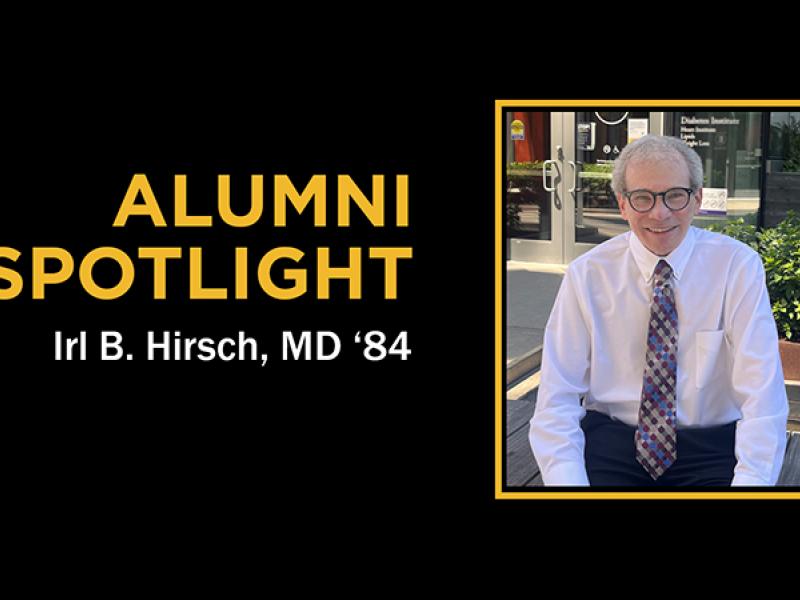
Timothy Domeier, PhD Assistant Professor
Research Interests
Tim Domeier, PhD, is assistant professor of medical pharmacology and physiology at the University of Missouri School of Medicine. His laboratory investigates how the intracellular concentration level in the heart changes with cardiac disease.
Calcium is arguably the most important signaling ion throughout the body, With each heartbeat, calcium in the cardiac muscle cell cycles dramatically, changing from very low levels during diastole (the heart's relaxation time) to high levels during systole (the heart's contraction time). In the normal heart these calcium signals exhibit precise timing, which orchestrates the coordinated contraction of all muscle cells and ensures proper pumping of blood. Interestingly, not only is calcium critical to the beating of the heart, but also an important signal for the growth and death of cardiac muscle.
A major research focus of Dr. Domeier's laboratory is to investigate the dynamic movement of calcium in individual heart muscle cells. Using a combination of biochemical, electrophysiological, genetic, and pharmacological approaches with a technique called confocal laser scanning fluorescence microscopy, his laboratory monitors the function of calcium channels, calcium pumps, and calcium transporters in individual heart cells.
These methods allow the laboratory to decode when and where calcium changes within the muscle cell, and gain comprehensive insight into how calcium is used as the signal to activate myofilaments (in collaboration with Dr. Kerry McDonald), regulate mitochondrial function, and activate various cell signaling pathways (in collaboration with Dr. Chris Baines). The laboratory monitors how calcium signaling changes in various forms of heart disease, including aging (in collaboration with Dr. Steve Segal), cardiomyopathy (in collaboration with Dr. Maike Krenz), hypertrophy, and heart failure (in collaboration with Dr. Craig Emter).
During heart disease, muscle cells are unable to properly regulate calcium, which predisposes the heart to contractile dysfunction, arrhythmia, and sudden cardiac death. The goal of Dr. Domeier's laboratory is to uncover the mechanisms by which calcium homeostasis is altered with disease, and rapidly translate new research findings into novel treatments for patients with cardiac disease.
Background
- BS in Biochemistry, The University of Nebraska
- PhD in Cellular and Molecular Physiology, Yale University
- Postdoctoral Research in Cell Physiology, Loyola University - Chicago
- Instructor in Molecular Biophysics and Physiology, Rush University Medical Center
- Joined the the University of Missouri in 2010
- Research funding through the National Institutes of Health
Publications
-
Domeier TL, Maxwell JT, Blatter LA. β-adrenergic stimulation increases the intra-sarcoplasmic reticulum Ca2+ threshold for Ca2+ wave generation. J Physiol. 2012 Sep 17. [Epub] PMID:22988136
Link
-
Socha MJ, Domeier TL, Behringer EJ, Segal SS. Coordination of Intercellular Ca2+ Signaling in Endothelial Cell Tubes of Mouse Resistance Arteries. Microcirculation. 2012 Aug 3. [Epub] PMID: 22860994
Link
-
McDonald KS, Hanft LM, Domeier TL, Emter CA. Length and PKA Dependence of Force Generation and Loaded Shortening in Porcine Cardiac Myocytes. Biochem Res Int. 2012 Jul 5. [Epub] PMID: 22844597
Link
-
Shkryl VM, Maxwell JT, Domeier TL, Blatter LA. Refractoriness of sarcoplasmic reticulum Ca2+ release determines Ca2+ alternans in atrial myocytes. Am J Physiol Heart Circ Physiol. 2012 Jun 1;302(11):H2310-20. PMID: 22467301 Link
-
Maxwell JT, Domeier TL, Blatter LA. Dantrolene prevents arrhythmogenic Ca2+ release in heart failure. Am J Physiol Heart Circ Physiol. 2012 Feb 15;302(4):H953-63. PMID: 22180651
Link
-
Nakayama H, Bodi I, Maillet M, DeSantiago J, Domeier TL, Mikoshiba K, Lorenz JN, Blatter LA, Bers DM, Molkentin JD. The IP3 receptor regulates cardiac hypertrophy in response to select stimuli. Circ Res. 2010 Sep 3;107(5):659-66. PMID: 20616315
Link
-
Domeier TL, Blatter LA, Zima AV. Changes in intra-luminal calcium during spontaneous calcium waves following sensitization of ryanodine receptor channels. Channels. 2010 Mar-Apr;4(2):87-92. PMID: 20139707
Link
-
Domeier TL, Blatter LA, Zima AV. Alteration of sarcoplasmic reticulum Ca2+ release termination by ryanodine receptor sensitization and in heart failure. J Physiol. 2009 Nov 1;587 (Pt 21):5197-209. PMID: 19736296
Link
-
Domeier TL, Zima AV, Maxwell JT, Huke S, Mignery GA, Blatter LA. IP3 receptor-dependent Ca2+ release modulates excitation-contraction coupling in rabbit ventricular myocytes. Am J Physiol Heart Circ Physiol. 2008 Feb;294(2):H596-604. PMID: 18055509
Link
-
Domeier TL, Segal SS. Electromechanical and pharmacomechanical signalling pathways for conducted vasodilatation along endothelium of hamster feed arteries. J Physiol. 2007 Feb 15;579(Pt 1):175-86. PMID: 17138602
Link
-
Uhrenholt TR, Domeier TL, Segal SS. Propagation of calcium waves along endothelium of hamster feed arteries. Am J Physiol Heart Circ Physiol. 2007 Mar;292(3):H1634-40.
PMID: 17098832
Link
Lab
The laboratory uses imaging techniques to monitor intracellular and intra-organelle second messenger signaling (e.g., calcium) within living cells in situ and as isolated entities. Widefield epifluorescence microscopy, conventional laser-scanning confocal fluorescence microscopy, and high-speed 2D resonance-scanning confocal fluorescence microscopy monitor intracellular calcium release events (e.g., calcium transients, puffs, pulsars, sparks, waves, blinks, and scraps) with high temporal and spatial resolution. Pharmacological and genetic approaches are used to explore the role of various intracellular signaling molecules on cellular calcium homeostasis. Standard molecular biology techniques are performed in conjunction with imaging studies to obtain comprehensive insight into the mechanisms underlying changes in cellular function.
Contact
MA415 Medical Science Bldg
Columbia, MO
Office: (573) 874-1213
Email: domeiert@health.missouri.edu