

If someone’s in heart failure, that means their heart is no longer able to function well enough to meet their body’s needs. According to new research, there may be a way to stave off a type of heart failure by improving the elasticity of cardiac muscles.
Heart failure with preserved ejection fraction (HFpEF) is when the organ is still able to contract but has difficulty relaxing and refilling itself with blood, leading to a decrease in heart performance. This is because the heart’s muscles are stiff and rigid, but a potential therapy involving a key protein called titin may help loosen it.

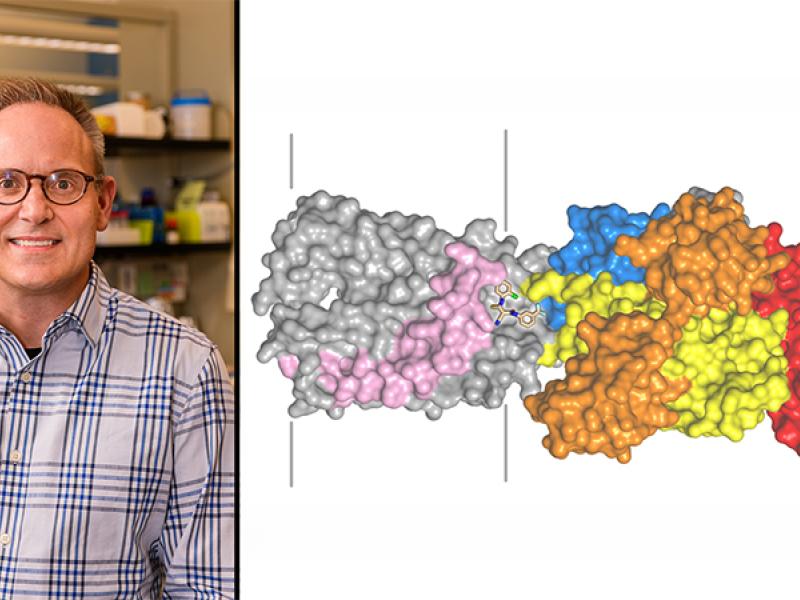
“Titin is a protein found in cardiac muscle cells and acts as a ‘spring,’ enabling the heart chamber to recoil and stretch sufficiently,” study author Mei Methawasin said. “In HFpEF, it’s common for the titin to stiffen and no longer be as flexible. We learned that if we reduced the activity of a different protein, RBM20, it caused longer and more flexible filaments of titin and significantly improved heart filling in mice.”
The study explores the potential therapeutic and clinical benefits from inhibiting RBM20, which regulates titin length – however, the protein’s activity can only be partially reduced, as there are serious heart health risks from a full inhibition.
“Ideally, RBM20 activity should be reduced just enough to achieve the benefits of longer titin, so we have to find the right balance,” Methawasin said. “In this study, our team targeted a 50% reduction in activity, a level we chose based on our previous research. We believe the exact decrease could be adjusted according to the severity of the patient’s heart failure.”
Partially inhibiting RBM20 also had several positive impacts on energy metabolism, mitochondrial function, antioxidant balance and blood flow.
“Further research is needed to find ways to increase titin length and flexibility while minimizing potential side effects on the body,” Methawasin said. “By restoring the heart’s most fundamental function, we hope to help individuals with heart failure enjoy an improved quality of life and more time with their loved ones.”
Mei Methawasin, MD, PhD is an assistant professor of Medical Pharmacology and Physiology (MPP) at the Mizzou School of Medicine. Her research focuses on uncovering the pathological mechanisms underlying heart failure.
“Rbm20 antisense oligonucleotides alleviate diastolic dysfunction in a mouse model of cardio-metabolic heart failure (HFpEF)” was recently published in Cardiovascular Research, a journal with the European Society of Cardiology. Study authors include Stefan Meinke, Michael Radke, Gerrie Farman, Zaynab Hourani, John E. Smith 3rd, Wei Guo, Henk Granzier and Michael Gotthardt.