

A researcher from the University of Missouri School of Medicine and the College of Arts and Sciences recently received more than $3 million from the National Institutes of Health to continue his work developing treatments for substance use disorders.
Nearly 50 million adults in the United States reported using tobacco products, including cigarettes and e-cigarettes, in 2022. Half that number tried to quit smoking, according to the CDC, and many relapse while trying to quit. This highlights the importance of developing treatments and programs that help people quit smoking for good.
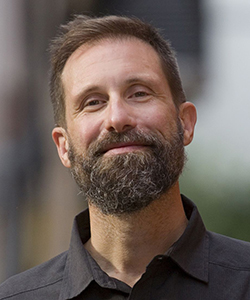
“Using nicotine repeatedly during a broad range of situations creates strong associations between the person’s environment and the urge to smoke or vape,” said grant recipient Brett Froeliger. “Identifying strategies to reduce this urge and disrupt the habitual cycle of nicotine use is key to helping people permanently quit.”
Froeliger’s previous research looked at the effectiveness of using theta-burst transcranial magnetic stimulation, or TBS, which uses a coil to administer strong, rapidly fluctuating magnetic field pulses that affects brain activity. The study found that applying a specific form of TBS to an area in the frontal lobe can control urges – making it easier to resist the temptation to smoke.
“This grant will fund research that will focus on understanding how TBS affects other parts of the brain, communication in neural circuits and brain chemicals that play key roles that contribute to the ongoing use of nicotine,” Froeliger said. “This includes automatic or habitual action, cravings, mood and the control over the craving.”
The research will also look at how non-invasive brain stimulation changes neural pathways and mechanisms that are involved in addiction. The goal is to understand what parts of the brain should be stimulated and what processes change from stimulation, and if this therapy can be used to treat other substance use disorders.
Brett Froeliger, PhD is a professor of psychological sciences and psychiatry and the director of the Cognitive Neuroscience Systems Core Facility. He is also the Vice Chair of Research in the Department of Psychiatry and the Miller Family Chair in Cognitive Neuroscience. The NIH grant will award nearly $3.4 million over 5 years.