
Dear Colleagues,
We are all deeply grateful to the men and women of the United States military who put their lives on the line to protect our freedom. As a result of their service, many service members suffer serious injuries, including traumatic brain injury. One of the core goals of TBI research is to understand how trauma affects the brain so that we can better prevent injury and improve treatment for those who are affected.
Through funding from the U.S. Department of Veterans Affairs, our scientists at the University of Missouri School of Medicine are working to better understand TBI and its consequences. We are fortunate to have strong partnerships with the University of Missouri, the Harry S. Truman Memorial Veterans’ Hospital and federally supported research programs that make this work possible.
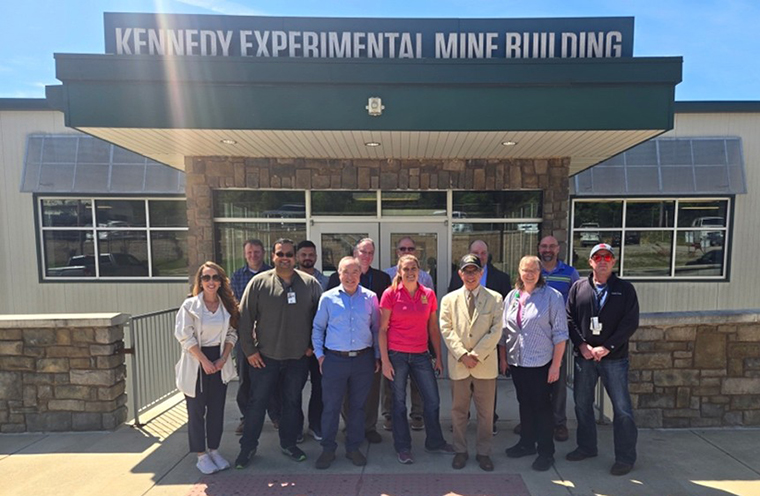
Recently, I traveled to Rolla, Missouri, to visit the Missouri University of Science and Technology campus to see firsthand the remarkable resources that have been assembled there. I made the trip with staff, faculty and administrators from the VA Hospital, along with colleagues from the Department of Veterans Affairs in Washington, D.C. — Drs. Stuart Hoffman and Anthony Pacifico — who oversee this program.
Our visit began on the Mizzou campus, where Dr. Adam Whaley Connell, assistant chief of staff for research at the VA Hospital and professor of medicine in the School of Medicine, led a tour of facilities that support the traumatic brain injury research program. The program models damage curves for TBI based on pressure and impulse. These facilities are funded by the VA and operated by dedicated VA and University of Missouri scientists.
We then traveled to the Missouri S&T campus in Rolla, where we were welcomed by Dr. Catherine Johnson, Robert H. Quenon Associate Professor of mining and explosives engineering. Dr. Johnson has assembled an outstanding team to study traumatic brain injury, with several of her students present to describe their work.
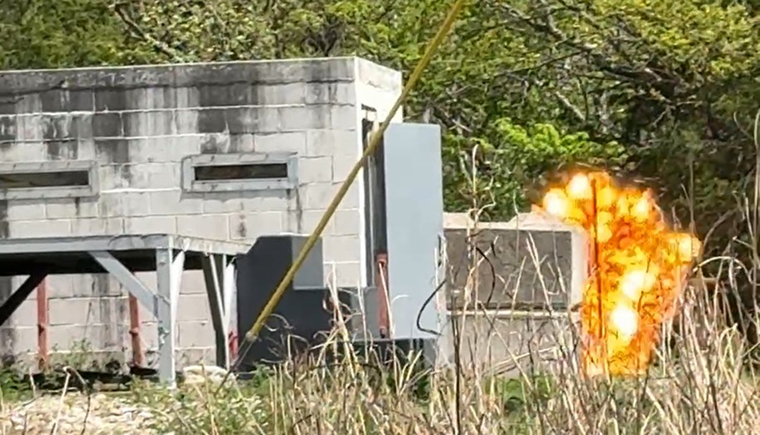
During the visit, we observed a blast simulation similar to those used in ongoing research. These studies are essential to understanding how blast exposures affect the brain, knowledge that is critical for developing better preventive strategies and more effective treatments for our service members.
This trip filled me with great pride in the University of Missouri and the VA, and in the important role we play here in Missouri in advancing research and improving care for our nation’s veterans.
Sincerely,

Rick Barohn, MD
Executive Vice Chancellor for Health Affairs and Hugh E. and Sarah D. Stephenson Dean, School of Medicine
rbarohn@health.missouri.edu