
Learn more about the Department of Psychiatry's research programs.
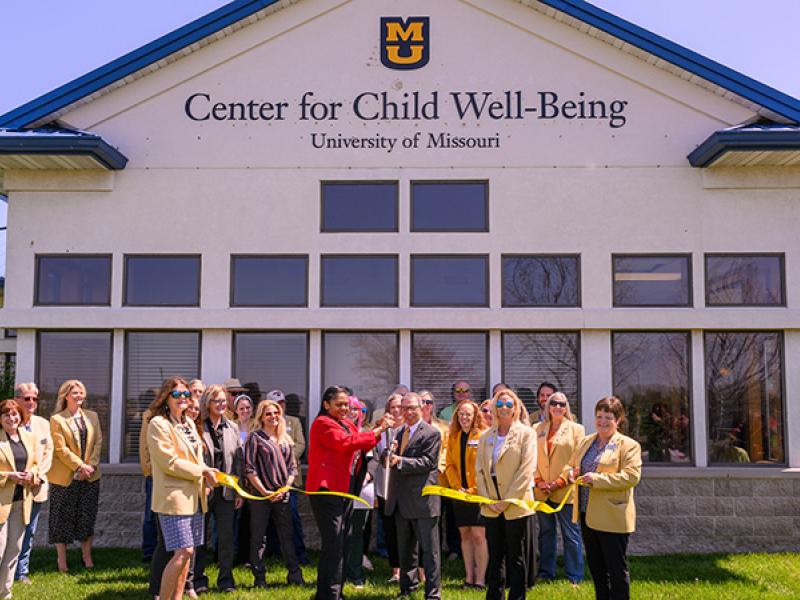
The Center for Child Well-being
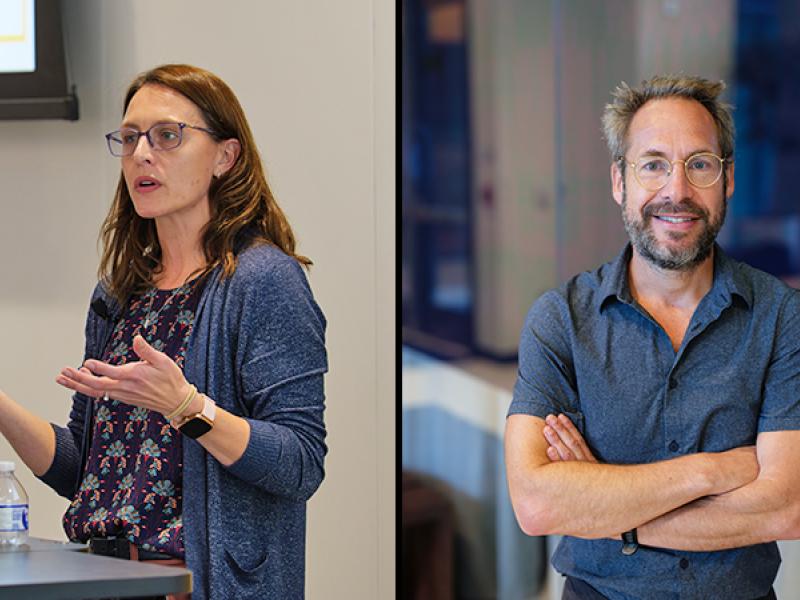
Laine Young-Walker, MD, Center Director
Kelli Buchanan, Center Associate Director
Overview
The Center for Child Well-Being is dedicated to supporting parents, professionals, and community organizations in fostering the mental health and well-being of children. Whether you're a caregiver, educator, provider, or community leader, we partner with you to create a healthier, more supportive environment for children to thrive.
In the first nine months of FY26, we served over 8000 Missourians in 113 out of 114 counties, and St. Louis City.
Our vision is a future in which every child in Missouri has a strong foundation for lifelong health.
Clinical and Translational Science Unit (CTSU)
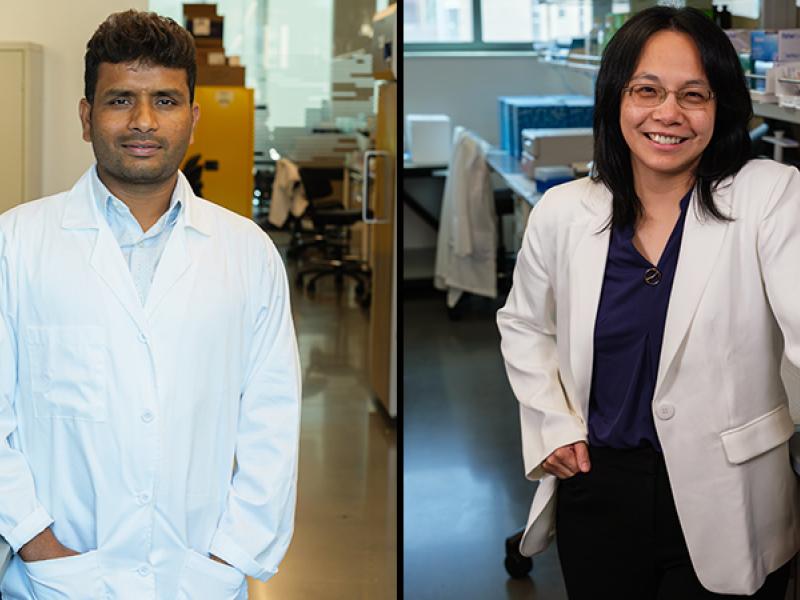
Muaid Ithman, MD, Researcher
Overview
Dr. Ithman’s research program is dedicated to advancing the treatment of mood disorders through innovative clinical research. His work has focused on evaluating the safety and efficacy of novel interventions for depression and anxiety, including pharmacologic treatments and psychedelic-assisted therapies.
Working in collaboration with expert clinicians and researchers, the program has contributed to the development of emerging treatment approaches while maintaining the highest standards of patient care and scientific rigor. For information about future research opportunities, please contact the Clinical and Translational Science Unit (CTSU)
For additional information
Email or call 573-882-4894.
Addiction Dynamics Lab
Andrea Wycoff, PhD, Director
Overview
The Addiction Dynamics Lab (ADL) is led by Andrea Wycoff, PhD. The ADL uses daily-life assessments and qualitative research methods to understand how substance use relates to emotions, cognitions, and other experiences in the context of individuals’ real-world environments. Recent and ongoing research studies focus on how alcohol and cannabis use impact each other, and how cannabis use might influence recovery efforts for alcohol. Overarching goals for this program of research are to better understand how people make decisions about substance use and identify productive treatment targets for individuals who are trying to quit or cut back.
For additional information
Health Innovation and Treatment Research Lab
Mary Beth Miller, PhD, Director
Overview
The Health Intervention and Treatment Research Lab (HIT Lab) is led by Mary Beth Miller, PhD. Research efforts are focused on how and why people change their health habits, including the study of drug and alcohol addiction and sleep.
Recent studies have explored ways to improve the efficacy of addiction prevention and treatment in young people and in veterans.
Health Neuroscience Center (NHC)
Brett Froeliger, PhD, Director
Overview
The Health Neuroscience Center (HNC) is focused on integrating cognitive neuroscience, genetics, AI and clinical research to accelerate the discovery of new treatments for drug addiction in order to improve mental health and well-being. In order to learn more about the work being conducted in the HNC, or consider participating in one of our paid research studies, please visit the Health Neuroscience Center web site.
Contact us via
Predicting and controlling aggression on the part of psychiatric inpatients
Niels Beck, PhD, Program Coordinator
Overview
This research program is currently underway at the State Hospital at Fulton, where the department operates a forensic fellowship program. The Fulton campus includes a 200-bed, maximum-security forensic hospital, the only one of its kind in Missouri.
Niels Beck, PhD, coordinates this effort and studies are being conducted that involve abstracting data from hospital records of highly assaultive patients, including seclusion/restraint records, and tracking the types of medications used to control these behaviors. The goal is to develop medication algorithms for the management of aggressive behavior.
Additional investigations are underway that examine differences in staff/patient interactional patterns in highly assaultive vs. non-assaultive patient samples, the frequency of abuse and neglect in the family histories of these patient groups and a genetic study that targets several polymorphisms of genes thought to play a role in the development of hyper-emotionality and aggressive behavior.
Most recently, Dr. Beck has begun replicating and extending the results of his work at the State Hospital in Fulton to a variety of University Hospital Settings, including the ED, and the inpatient child/adolescent and adult psychiatric wards.
Residents in the second and fourth years, as well as forensic fellows, have an opportunity to work with Beck on these projects.