
This collaboration is dedicated to developing innovative treatments for rare neurodevelopmental disorders. Inspired by the Ruth Family, the Center for Translational Neurogenetics (CTN) has focused our initial groundbreaking work on the SYT1 gene.
From gene discovery to clinical application, our approach spans the entire translational pipeline to improve diagnosis and develop treatments that bring hope and enhance quality of life. And while our main objective is advancing therapeutic development for ultra-rare disorders, our multi-disciplinary partnership creates several other opportunities. We also aim to enhance diagnostic accuracy and raise awareness of rare neurogenetic conditions. In fostering meaningful collaboration with families and patient advocacy organizations, we’ll also create valuable educational and research opportunities for the next generation of scientists.
Three Pillars of Focus
The CTN’s plan for the first five years
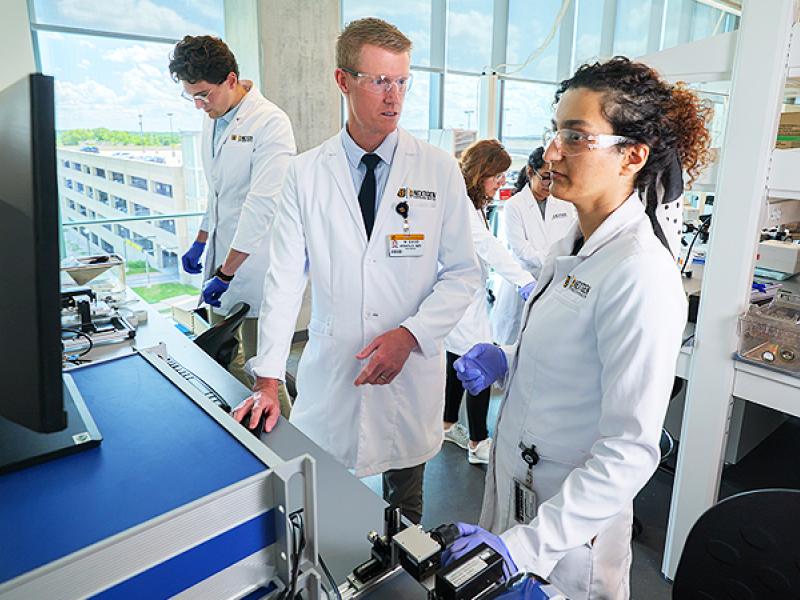
- Advance translational research in rare neurodevelopmental and neurogenetic disorders by integrating genomics, animal models, and therapeutic development into a coordinated pipeline. Milestones include launching multi-investigator projects, submitting large-scale external grants, and publishing in high-impact journals.
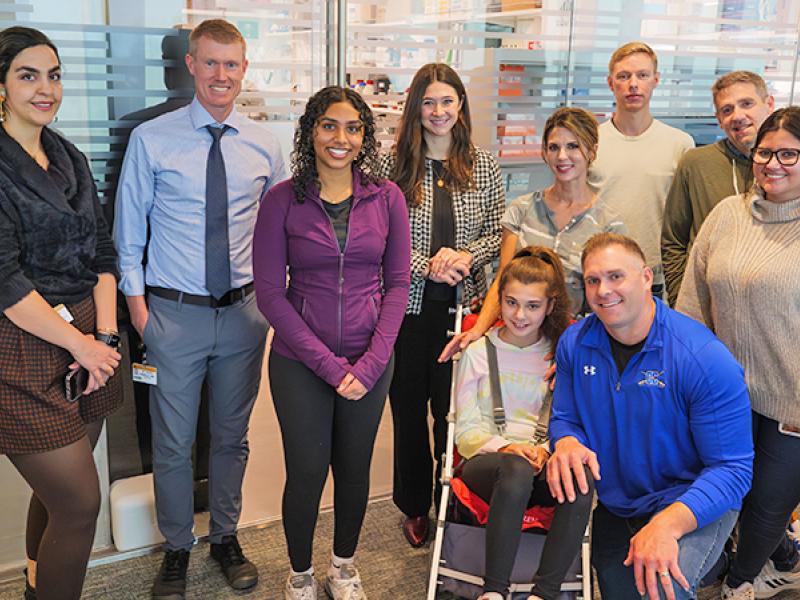
- Expand patient and family engagement by co-designing research priorities, expanding registries and natural history studies, and increasing public visibility of rare disease research.
- Foster new collaborations at the University of Missouri and abroad by leveraging our unique institutional and regional resources and infrastructure, formalizing new partnerships, and launching externally partnered projects with industry and advocacy groups. A priority will be establishing Missouri as a destination for early-phase therapeutic testing that aligns with existing infrastructure and expertise.
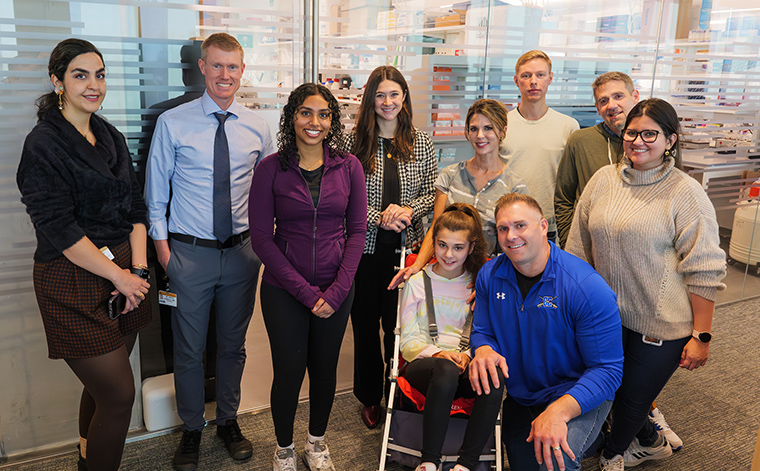
The Need for a New Approach to Rare Disease
The MU Center for Translational Neurogenetics (CTN) is a campus-wide hub dedicated to advancing the diagnosis and treatment of rare neurodevelopmental disorders. Families impacted by these conditions face prolonged diagnostic odysseys, limited therapeutic choices, and fragmented systems of care. CTN will address these challenges by uniting MU’s strengths in basic science, translational research, and clinical practice. The center will build a coordinated pipeline linking genetic discovery, biomarker validation, natural history studies, and therapeutic development, ensuring that breakthroughs translate efficiently into clinical benefit.