
Read about the Center for Translational Neurogenetics team members.
Faculty
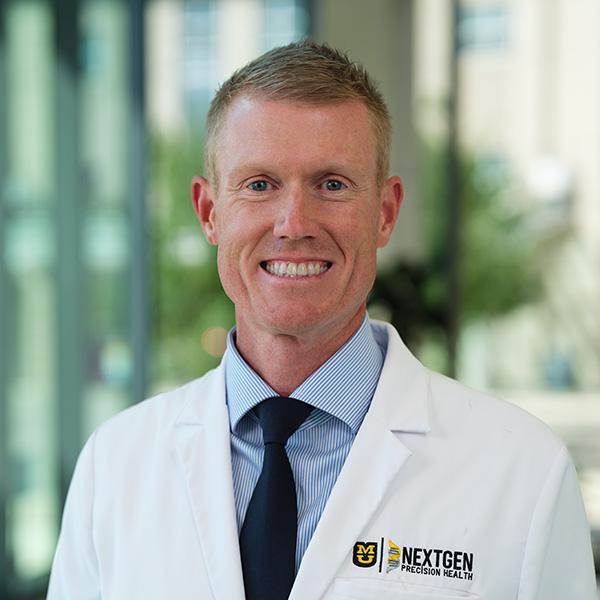
W. David Arnold, MD
Director, Center for Translational Neurogenetics
Bio
Executive Director, NextGen Precision Health Initiative
Professor, Physical Medicine and Rehabilitation; Neurology; Medical Pharmacology and Physiology
School of Medicine
Dr. David Arnold is a board-certified physical medicine and rehabilitation specialist with sub-specialization in neuromuscular medicine. His clinical expertise involves genetic, sporadic, and acquired neuromuscular disorders of muscle and the motoneuron, and his research is focused on translational neuromuscular physiology in the context of health, aging, and disease. His lab leverages clinical and preclinical studies to understand the mechanisms of nervous system dysfunction and ways to improve neural health and resiliency throughout a person’s life.
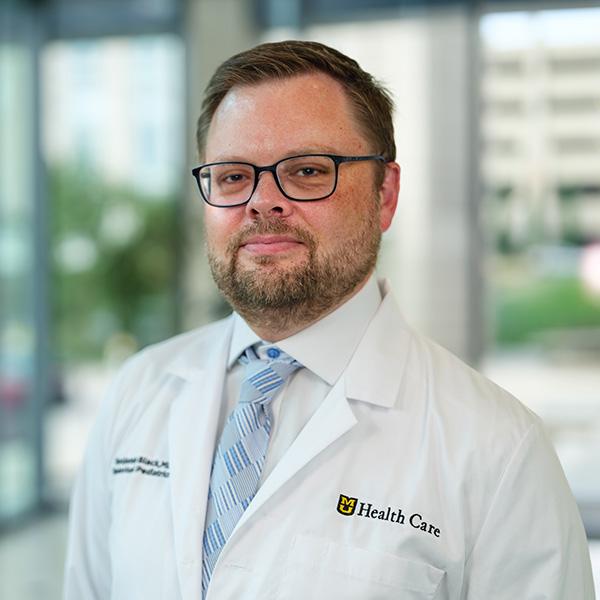
Benjamin Black, MD
Faculty, Center for Translational Neurogenetics
Bio
Medical Director, Thompson Center for Autism and Neurodevelopment
Division Director, Developmental & Behavioral Pediatrics
Ron Ashworth Professorship in Child Development
School of Medicine
Dr. Benjamin Black attended medical school at Jefferson Medical College in Philadelphia, PA and completed residency in Pediatrics at Children’s Mercy Kansas City. Following residency, he went on to complete a fellowship in Developmental-Behavioral Pediatrics at Children’s Mercy, along with a fellowship in Pediatric Clinical Pharmacology. He was the founding director of the Developmental-Behavioral Pediatrics fellowship program at the University of Missouri and is Division Director for Developmental-Behavioral Pediatrics. He is the Director of Mentorship for the Department of Pediatrics and an inaugural co-director of the Advancing Pediatric Leaders (APL) Alumni Affinity Group through the Academic Pediatric Association. He has served as PI and Co-I on several industry-sponsored clinical trials in autism, investigator-initiated trials in neurodevelopment, and grants from the State of Missouri Department of Mental Health that support care for individuals with autism. Dr. Black’s clinical and research interests include pharmacological management of neurobehavioral disorders and co-occurring conditions.
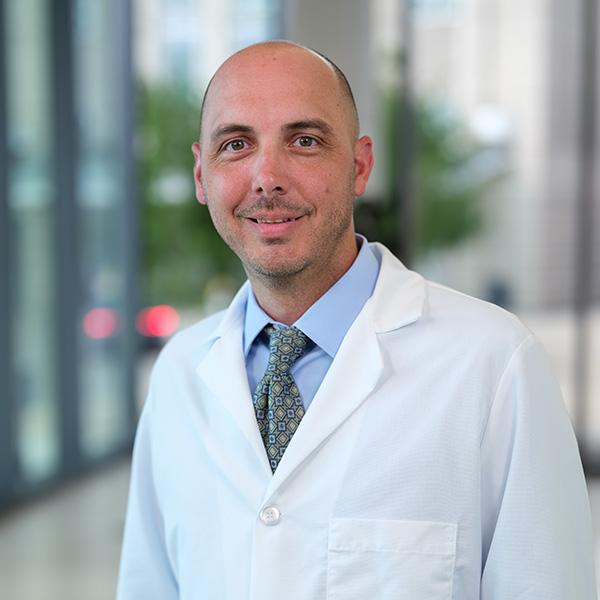
Daniel Davis, PhD
Faculty, Center for Translational Neurogenetics
Bio
Director, MU Animal Modeling Core
Associate Research Professor, Pathobiology and Integrative Biomedical Sciences
College of Veterinary Medicine
Dr. Daniel Davis's research focuses on understanding and treating rare neurological disorders, with a particular emphasis on Baker-Gordon syndrome. Rare diseases are often understudied, leaving families with limited treatment options and many unanswered questions. Dr. Davis’s laboratory develops humanized animal models based on patient genetics to better understand disease mechanisms and evaluate targeted genetic therapies aimed at addressing the root causes of disease. Dr. Davis received his bachelor’s degree in Cell and Molecular Biology from Missouri State University and his PhD in Pathobiology from the University of Missouri. Dr. Davis provides leadership in humanized model development and genetic therapeutic design with the goal of translating discoveries directly to patients.
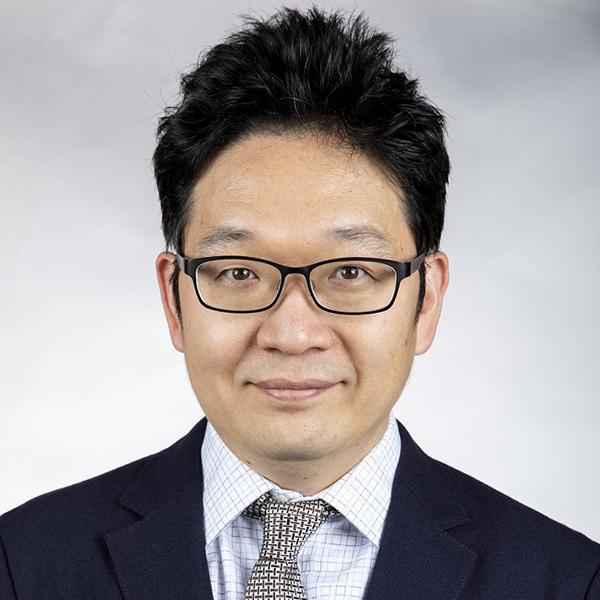
Kiho Lee, PhD
Faculty, Center for Translational Neurogenetics
Bio
Principal Investigator, National Swine Resource and Research Center
Professor, Division of Animal Sciences
College of Agriculture, Food and Natural Resources
Kiho Lee graduated from Seoul National University with a bachelor's degree in Animal Sciences. He received his master’s and PhD from Purdue University, and he trained as a postdoc at the University of Missouri in Columbia. While at Mizzou, he generated immune-deficient pigs that could support growth and proliferation of human IPSCs. Kiho Lee specializes in mammalian embryo development and animal genetics, with an emphasis on optimizing animal health and productivity. He currently serves as the Director of National Swine Resource and Research Center – where customized swine models are generated for biomedical applications – and he also uses the technology to design genetically engineered large animal models for agricultural purposes as well. One of his current studies uses gene editing to investigate the building blocks of disease and to discover clinically significant explanations for human diseases like Alzheimer’s, cancer and infertility.
De-Pei Li, PhD
Faculty, Center for Translational Neurogenetics
Bio
Associate Director, Center for Precision Medicine
Professor, Department of Medicine
School of Medicine
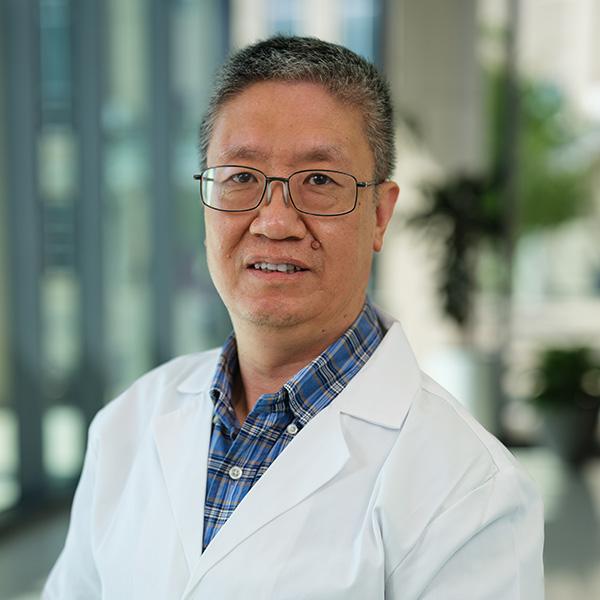
Dr. De-Pei Li is a neuroscientist with more than 25 years of research experience in neurophysiology and synaptic plasticity under physiological and pathological conditions. His long-term research goal is to identify novel molecular and cellular mechanisms that can be leveraged for the treatment and prevention of neurological disorders. Dr. Li’s laboratory focuses on synaptic neuroplasticity and neurophysiology in neurological and cardiovascular diseases, with particular interesting in rare autism-related neurological disorders such as Baker–Gordon syndrome and autonomic dysfunction (Dysautonomia). Using integrated in vivo and in vitro electrophysiology, viral transfection, Ca2+ imaging, optogenetic, and chemogenetic approaches, and behavior tests, his group investigates the synaptic and neuronal mechanisms involved in neurological disorders, and test targeted therapeutic treatments. Additional research directions include neuroendocrine and autonomic dysregulation induced by chronic stress, chemotherapy-associated cognitive impairment, and the contribution of chronic stress to brain disorders such as major depression and dementia.
Christian Lorson, PhD
Faculty, Center for Translational Neurogenetics
Bio
Principal Investigator, Bond Life Sciences Center
Associate Vice Chancellor for Research
Curators’ Distinguished Professor, Pathobiology and Integrative Biomedical Sciences
College of Veterinary Medicine
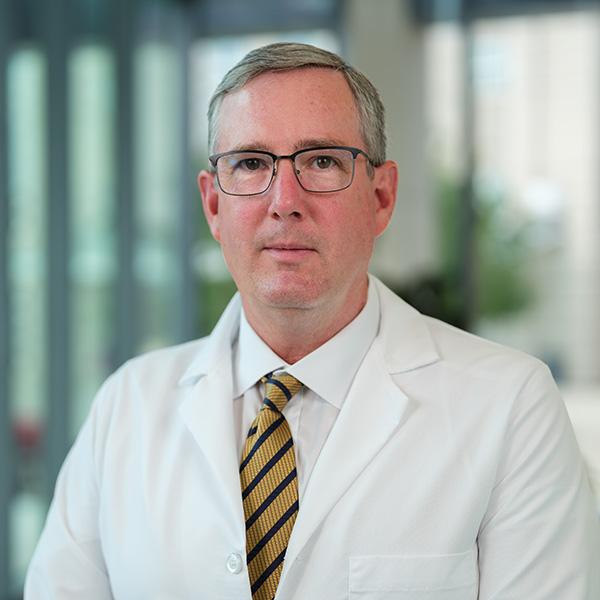
Dr. Christian Lorson’s lab focuses on the molecular genetics and therapeutic development opportunities for neurodegenerative diseases, in particular spinal muscular atrophy (SMA), SMA with respiratory distress type I (SMARD1), and Charcot Marie Tooth (CMT). SMA is the leading genetic cause of infantile deaths, and Dr. Lorson’s group investigates treatments to increase muscle mass and address the multi-system nature of SMA. The group has been supported by grants from NIH, DOD and multiple private foundations (including MDA, CureSMA, and CMT Research Foundation), totaling upwards of $40M in external support. Dr. Lorson was the Scientific Director of FightSMA, a patient advocacy group focused on SMA research and governmental advocacy (2005-2017), and has been a member since 2007 of the Muscular Dystrophy Association Research Advisory Committee. Lorson co-founded Shift Pharmaceuticals in 2017 and is the current Chief Scientific Officer at Shift. Shift has successfully raised $9M in non-dilutive funding from the NIH for SMA and CMT projects, including Phase I SBIRs and a U44 from NIH/NINDS.
Smita Saxena, PhD
Faculty, Center for Translational Neurogenetics
Bio
Principal Investigator, NextGen Precision Health
Professor, Physical Medicine and Rehabilitation
School of Medicine
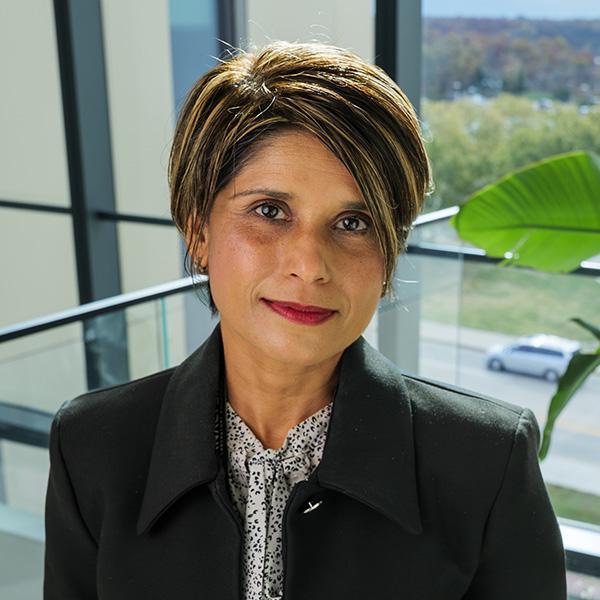
The research program of Dr. Smita Saxena is focused on mechanisms of neuronal vulnerability in the context of neurodegenerative diseases and aging. Employing state-of-the-art techniques, her lab examines fundamental principles ranging from circuits to molecular and cellular pathology that drive and propagate neuronal loss. Her lab is interested in identifying adaptive mechanisms, promoting resiliency of the nervous system during the presymptomatic phase and translating those mechanisms into potential therapy. Additionally, a major focus of her research involves the generation of human patient-derived neurons from skin fibroblasts, which in collaboration with the pharmaceutical/biotech industry are used as model systems to test future druggable compounds/repurposed drugs. Lastly, working with nanochemists and biomedical engineers, her lab has a keen interest in developing efficient brain targetable and prodrug approaches to enhance drug delivery to specialized brain regions.
Andrea Sierra-Delgado, MD
Faculty, Center for Translational Neurogenetics
Bio
Assistant Research Professor, Physical Medicine and Rehabilitation
School of Medicine
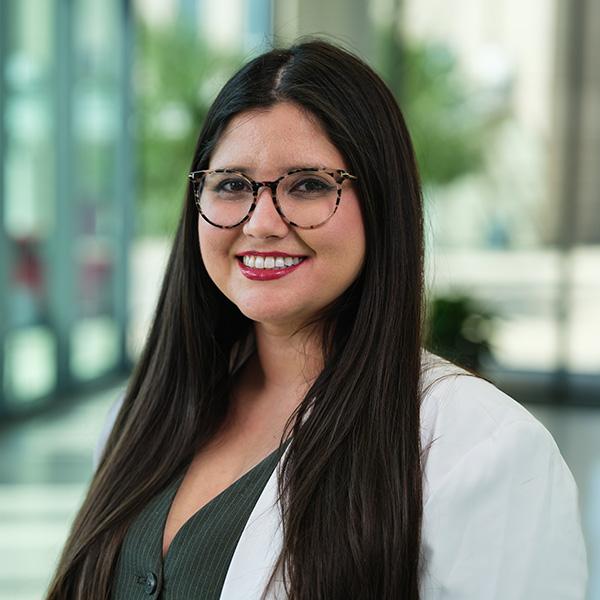
Dr. Andrea Sierra-Delgado is a gene therapy researcher focused on investigating rare neurological and neuromuscular disorders to drive therapeutic discovery through the development of innovative in vitro disease models and gene therapy strategies. Her research aims to elucidate genotype–phenotype correlations in neurodegenerative, muscular and seizure/autism disorders, uncovering disease mechanisms to translate findings into clinical applications. Dr. Sierra-Delgado led multi-centered projects at Nationwide Children’s Hospital that resulted in FDA approval for a Phase I/IIa clinical trial targeting IGHMBP2-related disorders, highlighting her ability to bridge preclinical research and clinical translation. Dr. Sierra-Delgado’s research focuses on developing advanced in vitro modeling systems to study disease mechanisms at the cellular level, utilizing high-throughput screening approaches to optimize AAV9 gene therapy testing and refine personalized therapeutic strategies. She also brings extensive experience in IND-enabling preclinical studies, including proof-of-concept and toxicology assessments.

Kamlendra Singh, PhD
Faculty, Center for Translational Neurogenetics
Bio
Director, Molecular Interactions Core
Principal Investigator, Bond Life Sciences Center
Assistant Research Professor, Pathobiology and Integrative Biomedical Sciences
College of Veterinary Medicine
Dr. Kamal Singh’s lab studies the basic science behind viral infections, mechanisms of susceptibility resistance of antivirals as well as drug-discovery against viruses and cancer. They investigate human immunodeficiency virus (HIV), hepatitis B and C viruses, Severe Acute Respiratory Syndrome Virus coronavirus (SARS-CoV), Middle East Respiratory Syndrome coronavirus (MERS-CoV), and (SARS-CoV-2) viruses. Their goal is to understand viral disease cycles using biochemical, structural, and virological tools. Thus, their efforts are directed to understanding the mechanistic details of viral components such as nucleic acid polymerases, helicases, and proteases. They employ fine biochemical tools such as steady- and presteady-state to decipher the kinetics mechanism of these critical viral enzymes. They investigate how resistance mutations affect the binding of approved drugs that lead the viruses to escape the impact of these drugs. On the structural front, they use computational techniques to study the impact of mutations on the structures of viral proteins.

Bhanu P. Telugu, DVM, PhD
Faculty, Center for Translational Neurogenetics
Bio
Associate Professor, Division of Animal Sciences
College of Agriculture, Food and Natural Resources
Dr. Bhanu Telugu is an Associate Professor in the Division of Animal Sciences at the University of Missouri–Columbia and was a founding member, President, and CSO of RenOvate Biosciences, a livestock genetic engineering company. His work is guided by the One Health paradigm, integrating genome engineering and stem cell technologies to address challenges at the interface of agriculture and human health.
Trained as a veterinarian and reproductive biologist, Dr. Telugu leads a multidisciplinary research program leveraging CRISPR-based genome editing and stem cell platforms to develop translational animal models for studying development, disease, and regenerative therapies. His laboratory was among the first to demonstrate efficient targeted genome editing in large-animal embryos, contributing to the development of a genetically engineered pig model that received FDA approval. Through his academic and entrepreneurial efforts, he aims to bridge fundamental discovery with scalable, real-world biomedical applications.
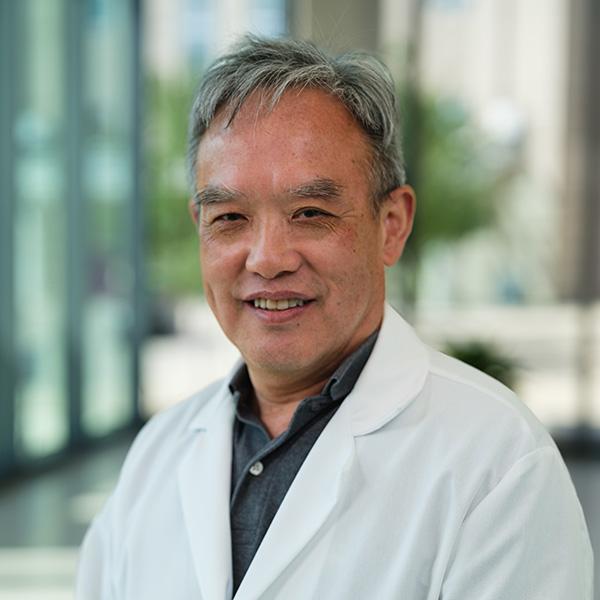
Bing Zhang, PhD
Faculty, Center for Translational Neurogenetics
Bio
Professor, Division of Biological Sciences
College of Arts and Science
Dr. Bing Zhang received his doctoral training in electrophysiology and neurobiology with Dr. Ron Harris-Warrick at Cornell University and postdoctoral training in molecular genetics with Drs. Barry Ganetzky at UW-Madison and Hugo Bellen at HHMI/Baylor College of Medicine. He is professor in the Division of Biological Sciences at Mizzou. His lab uses the fruit fly, Drosophila melanogaster, as a model organism to study basic neurobiology and model human diseases, including SYT1 neurodevelopmental disorders. Dr. Zhang has also been an active member of the fly community by organizing and teaching summer courses at both Woods Hole’s MBL and at CSHL and serving on the Fly Board. Dr. Zhang co-edited Drosophila Neurobiology: A Laboratory Manual (1st and 2nd editions), which is well received and widely used by the fly community.